Consilium Belli
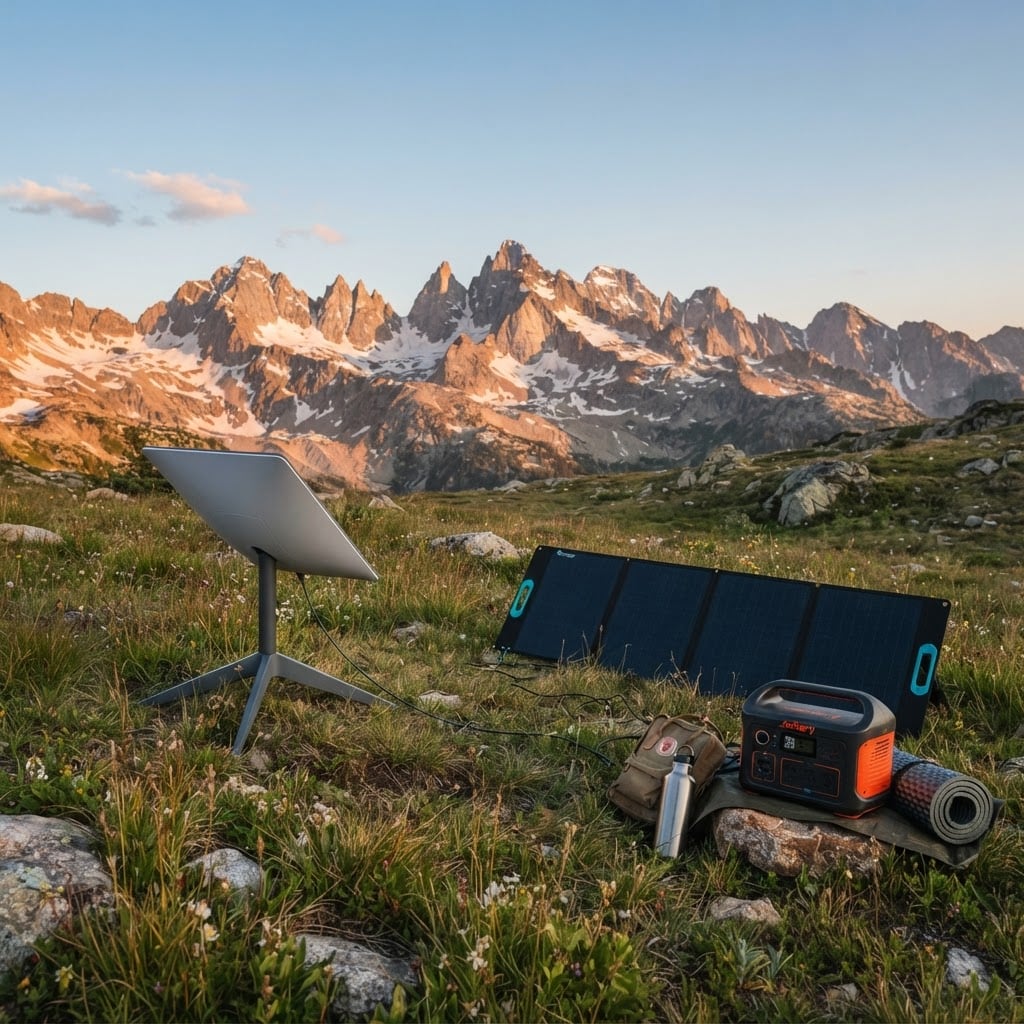
Consilium Belli command station at alpine basecamp
Field Systems & Sovereign Command  ·  Rev H · Taranaki NZ

The council
of war,
in a case

A decade ago this needed a government budget or a Palantir contract. Today it's consumer hardware + open-source software + a satellite dish, curated and assembled. You don't fabricate silicon — you integrate best-of-breed into one rugged kit, with the one thing nobody else has bolted in: Aquilla market & situational intelligence.

PACE Doctrine Local AI Watchstander HF + Satellite + Mesh Solar-Indefinite Runtime Off-Grid · Off-Cloud · Yours
P
Starlink
Primary
Starlink
Full broadband. Video, ATAK, cloud sync, large AI models, Aquilla live. Auto-failover starts here.
A
Alternate
Cellular 4G/5G
Trimmed bandwidth — pauses video pull, warns on data burn. Teltonika RUTX50 dual-SIM auto-failover.
C
Contingency
Haven IP Mesh
Fully offline. Local LLM only. ATAK over mesh, no cloud. Queues outbound for when WAN returns.
E
LoRa nodes
Emergency
HF — Winlink / JS8
Drops to 3B model. Composes terse SITREPs for you to send. Strict power budget. Global text via skywave.
4
Fallback Comms Layers
5000+ km
HF Emergency Reach
72h+
Battery Operation
Runtime with Solar

The AI Operator

The watchstander that runs the box

An agent loop on the console that ingests everything — Aquilla alerts, PACE link-state, mesh-node health, RDF bearings, ATAK markers — and issues notifications with action buttons. Human-in-the-loop: nothing fires unattended.

Starlink down 40s → now on Contingency (HaLow). Cloud sync paused · 3 msgs queued.
Compose HF SITREPAck
New DF bearing 047°, strong signal — possible 915 MHz source 3 km N.
Plot Line-of-BearingRequest 2nd BearingDismiss
📉
Aquilla risk-off (mood 28) → NZD/USD break — Track-A new-buy gate active.
View Full AlertAck
🔋
Battery 22%, solar 0W, ~6h estimated → drop to Austere / HF-only to extend?
Yes — Austere ModeKeep Current

Product Line

Choose your build tier

Three assembled tiers. Indicative NZD parts costs only — excludes Starlink subscription, labour, margin, and software. Buy on capability, not on a fixed box.

Tier I
Scout
$1.6–2.4k
NZD parts · solo · man-portable
  • Starlink Mini + 4G failover
  • N100 mini-PC 16 GB (Ollama 3B)
  • 1× Meshtastic handheld node
  • Power station / compact battery
  • Small hard case + phone ATAK
  • Aquilla + AI operator (lite)
  • No Haven IP mesh, no HF, no RDF
Scout BOM →
Tier III
Command
$9–15k+
NZD parts · team · multi-site
  • Everything in Operator, plus:
  • HF radio: IC-705 + Buddipole (Winlink/JS8)
  • KrakenSDR RDF array + DoA→ATAK bridge
  • RoIP gateway for legacy radio bridge
  • Multiple mesh nodes / repeater sites
  • 3 kWh LiFePO4 + 1 kW solar array
  • Fold-out multi-screen console
  • Priority support + full config
Command BOM →
DIY Route
Full BOM + Field Manual

The complete bill of materials with wiring diagrams, config files, and command references. Build it yourself; add the software subscription any time. The margin and the moat live in the knowledge.

Request Guide →
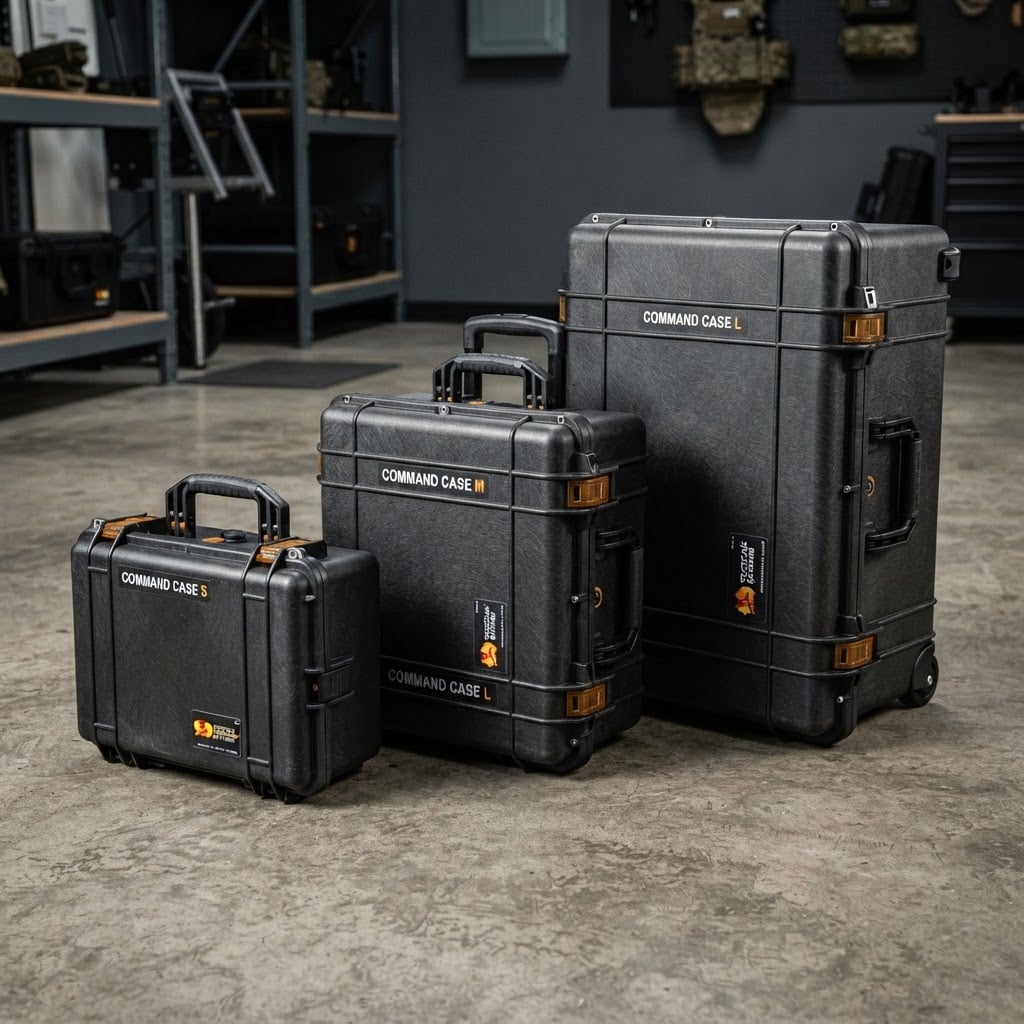
Command Case S M L product lineup
The Cases

S · M · L —
one architecture,
any mission footprint

Same firmware. Same accessories. Same AI watchstander. Rated IP67. Amber-latched. Panel-mounted I/O. Built to the field.


Component Gallery

Every subsystem, field-proven

Real hardware, real conditions. Each image shows actual kit deployed in field scenarios — no studio props, no weapons, no insignia.

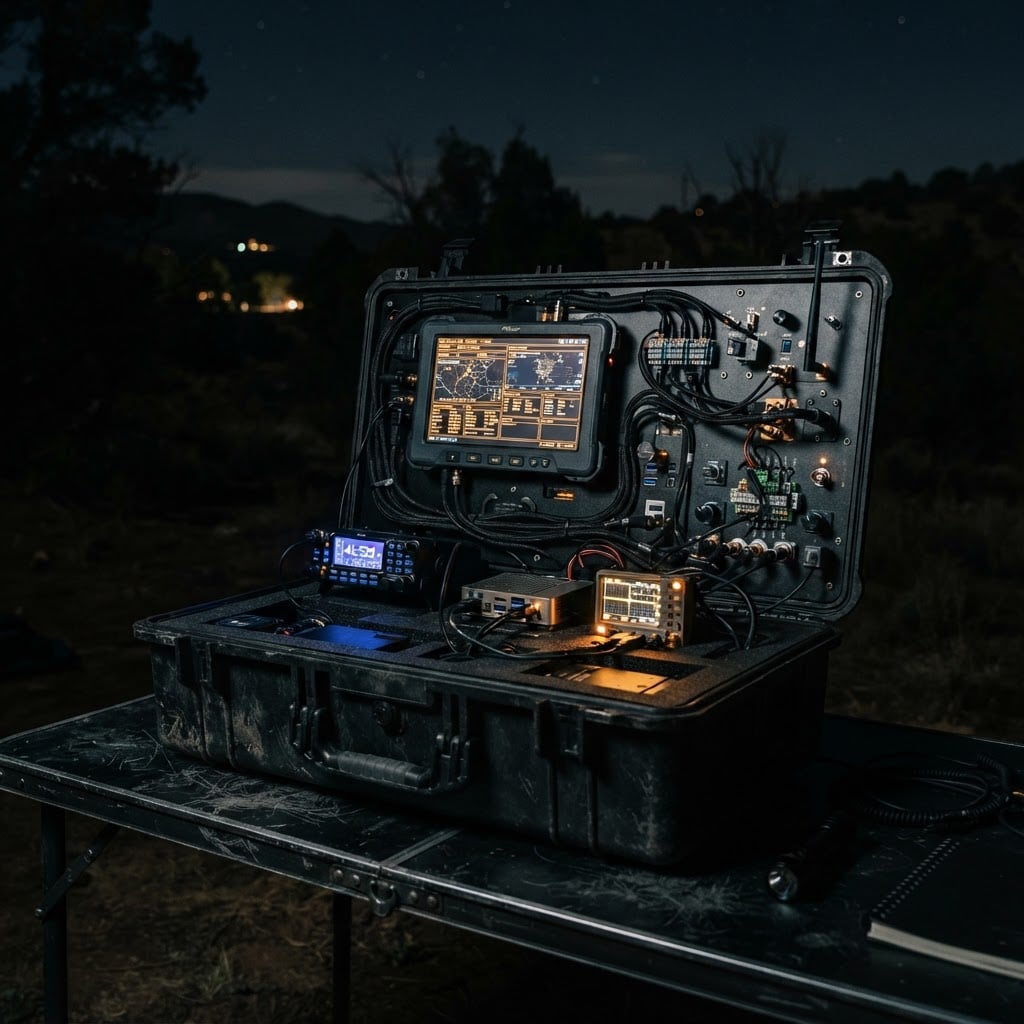
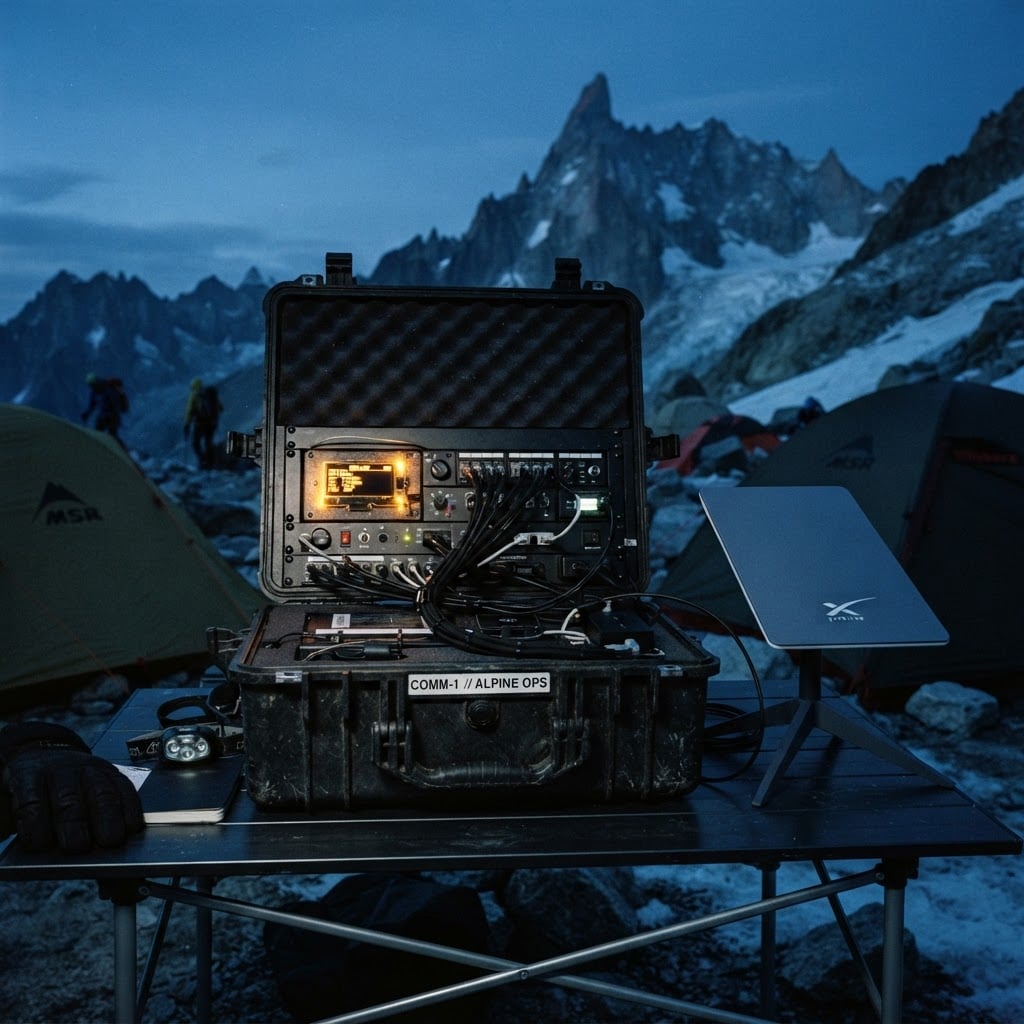
Consilium Belli command case open at night
Command Node · Interior
Field-Deployed Case

Mini-PC, radio stack, and cable management in a weather-sealed Pelican — deploy in under 90 seconds.

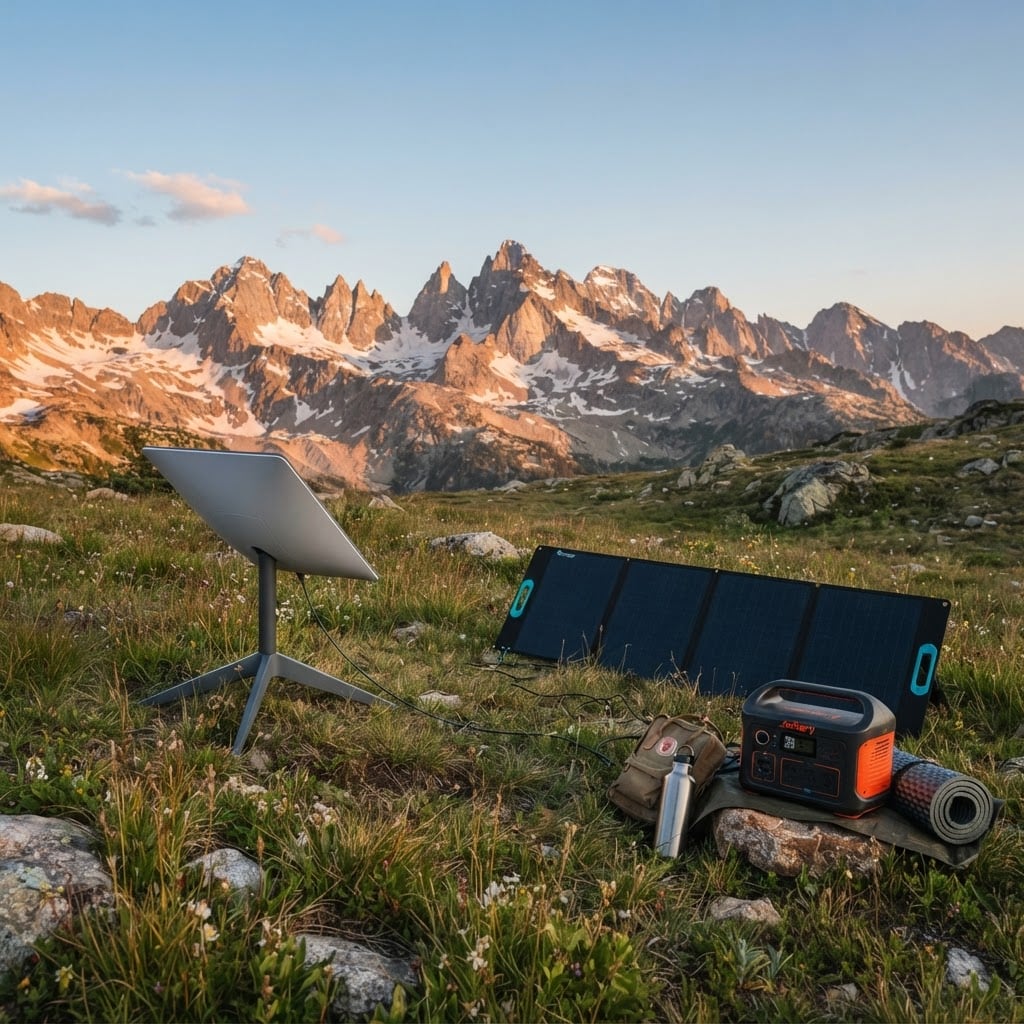
Starlink satellite dish in alpine meadow
P — Primary · Broadband
Starlink Satellite

Full IP anywhere with sky access. Video, cloud AI, ATAK sync — auto-failover to cellular the moment signal drops.

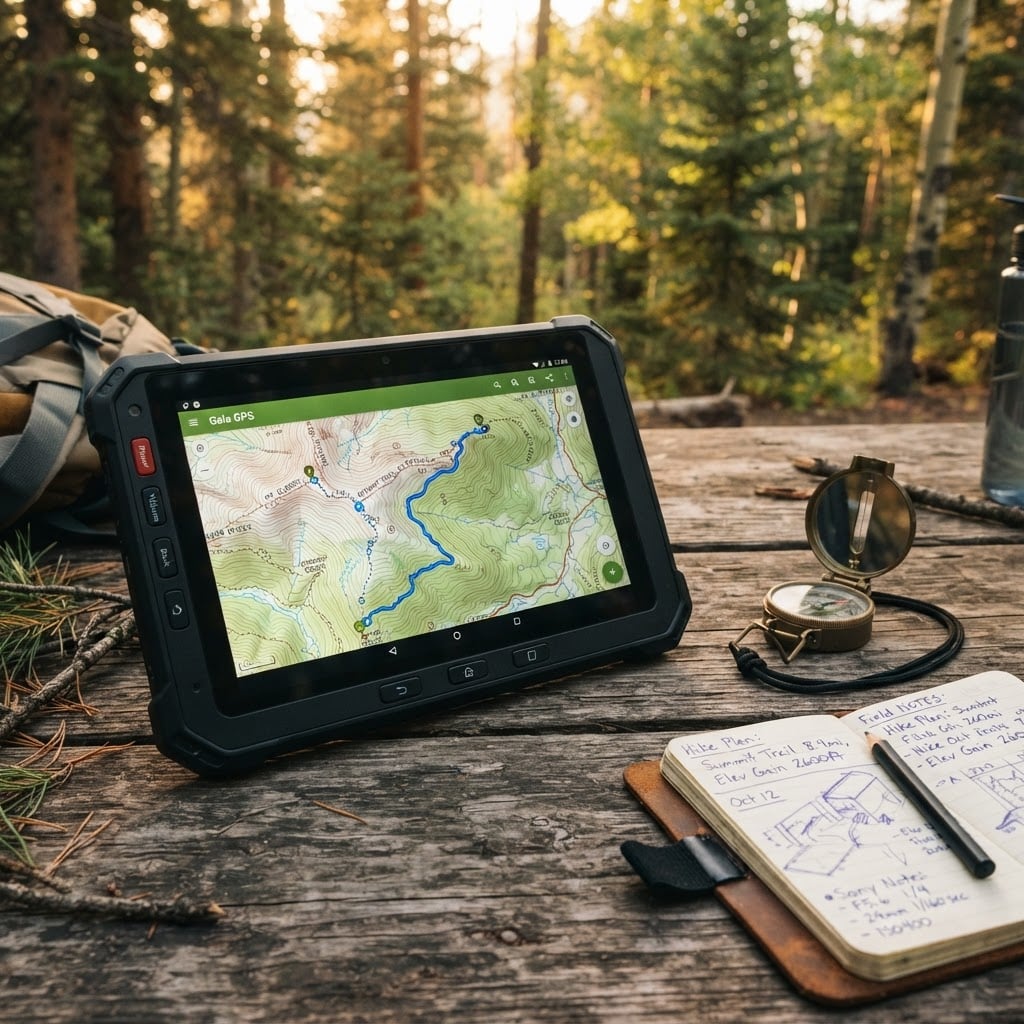
ATAK rugged Android tablet with topographic map
Field Display · ATAK
Rugged Android Tablet

Topographic mapping, route planning, and team tracking. Works offline with cached maps when connectivity is lost.

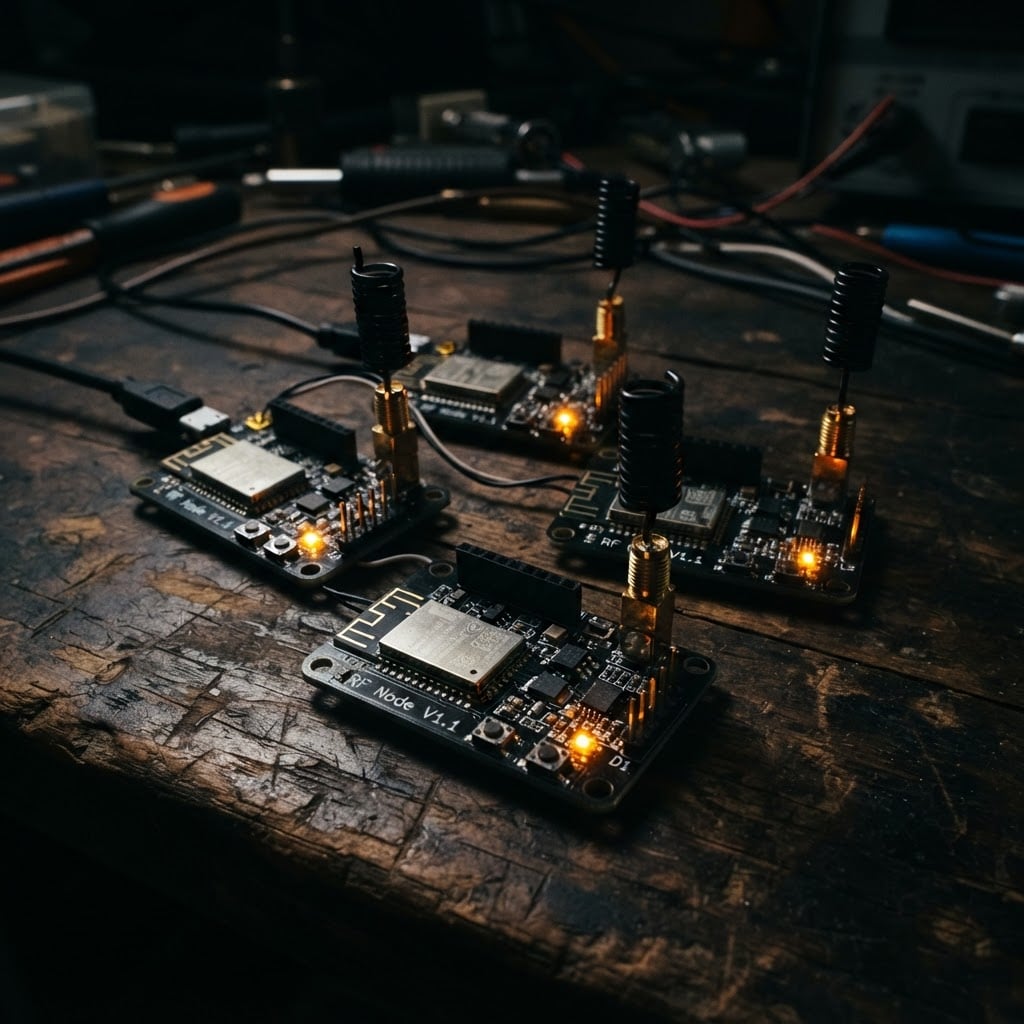
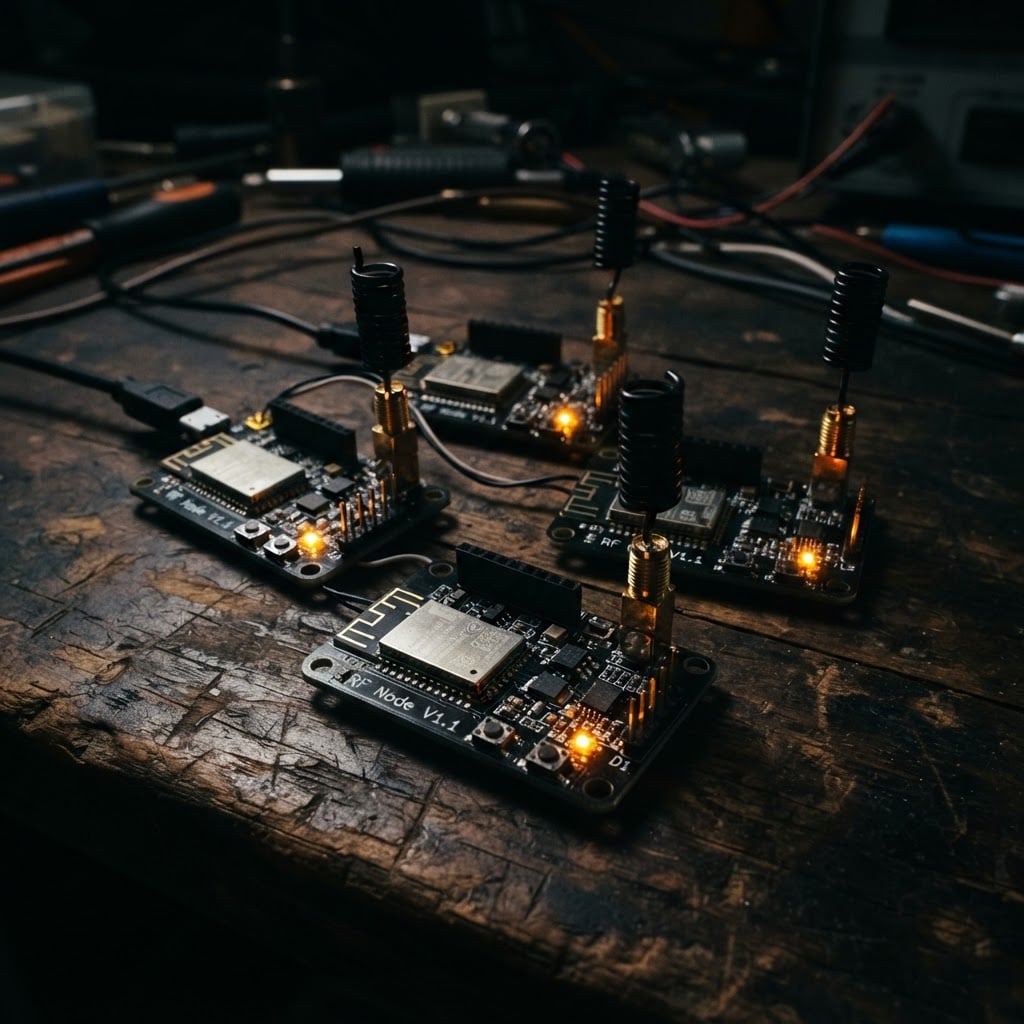
LoRa Meshtastic radio nodes with amber LEDs
E — Emergency · Mesh
LoRa Meshtastic Nodes

900 MHz mesh survives when everything else fails. No infrastructure, no SIM, no subscription — just radio.


Bill of Materials

Shop the build

Every subsystem, what it does, what it costs, and where to buy it. Tier tags show Scout / Operator / Command. Prices are indicative NZD parts — verify with suppliers.

CB-CASE-01 · The Chassis
Pelican TOC Case
IP67 Pelican 1550/1600 with machined I/O panel — fused 12/24 V power glands, RJ45, SMA/N-type RF bulkheads, and a cable gland for the Starlink feed. Everything mounts inside; nothing dangles. Panel-mount: GX16/powerCON for power, RJ45 + bulkheads for RF, gland for Starlink. The 1600 (not the StarCase Apache 3800 — too small) for a full Operator/Command build.
Scout Operator Command
~$250–450
CB-AI-CORE · The Brain
Mini-PC AI Compute
Scout: Intel N100 mini-PC 16 GB (~6–15 W, runs 3B model at 5–15 tok/s). Operator: 32–64 GB Ryzen mini-PC for 8B models. Command: NVIDIA Jetson Orin NX (Llama 8B ~41 tok/s, purpose-built NPU, higher draw — size battery up). All run Ollama + FreeTAKServer + Aquilla + Node-RED PACE state machine. Offline AI — no API key, no cloud dependency.
Scout Operator Command
$350–1,400
CB-SAT-SLK · PACE Primary
Starlink Uplink
Primary PACE tier. LEO broadband anywhere with sky. ~15 W idle, 25–30 W typical, ~60 W peak. Direct DC barrel (12–48 V) or USB-C PD — direct DC beats an inverter by 30–40% efficiency. Auto-detected by the AI operator; failover to cellular on signal loss within seconds. Roam plan for field deployments. Cable through case gland to panel-mount port.
Scout Operator Command
$699 USD + plan
CB-CELL-01 · PACE Alternate
Cellular Failover Router
Teltonika RUTX50 (5G) or RUT241 (4G) — rugged, dual-SIM, VPN-capable, auto-failover to cellular when Starlink drops. Manages the Primary→Alternate PACE transition without human intervention. Connects to the mini-PC via LAN on the panel. WireGuard built-in for site-to-site or remote-access VPN. DIN-rail mountable inside the case.
Scout Operator Command
$450–750
CB-MESH-IP · PACE Contingency (Primary Radio)
Haven IP-Mesh Node
Raspberry Pi 4/CM4 + Morse Micro Wi-Fi HaLow HAT (802.11ah 915 MHz) on OpenWrt + BATMAN-adv. The primary field radio: PTT voice, ATAK-over-multicast, low-res video, internet-sharing — self-healing L2 mesh over kilometres. "$20k MPU5 for ~$246." Build Haven 1 (Pi4/CM4) only — Pi5/Haven 2 not production-ready. ⚠ NZ: the 27 dBm firmware is a US ISM figure — cap TX to NZ GURL limits before transmitting.
Operator Command
~$420 ea (×3–4)
CB-MESH-LR · Receive / Beacon Floor
Meshtastic LoRa Nodes
AU915 LoRa, licence-free under NZ GURL. The cheap receive/beacon floor beneath Haven — not the backbone. Dirt-cheap, sips power, huge range for tiny payloads: low-cost RX, field text + GPS position, solar repeaters. Default posture: receive-only. Transmit short position/report bursts only when needed. Best nodes: Heltec V3 (cheap/solar), T-Beam Supreme (mobile+GPS), RAK WisBlock (best battery life).
Scout Operator Command
~$60–100 ea
CB-HF-705 · PACE Emergency
HF Deep-Reach Radio
Icom IC-705: 1.8–54 MHz / 6m / 2m / 70cm, 10 W PEP. Built-in SDR waterfall, GPS, Bluetooth/WLAN, USB CAT+audio — plugs straight into the mini-PC, no extra modem box. Winlink email + ICS forms, JS8Call weak-signal chat. NVIS for 0–500 km regional, skywave for DX. Buddipole deployable dipole/vertical. Optional mAT-705 auto-tuner. ⚠ Transmitting requires NZ General Amateur Operator's Certificate + callsign. Receiving is always free.
Command
$1,800–2,400
CB-RDF-KRK · Direction Finding
KrakenSDR RDF Sensor
5-channel coherent SDR for passive direction finding. Real-time DoA bearings → ATAK line-of-bearing markers via DF→CoT bridge. Two units triangulate a fix. The prosumer DF standard. Array: 5× matched whips on a ground plane — coherent geometry is what makes the maths work. Elevation (a push-up mast) is the cheapest dB you'll ever buy. ⚠ Passive/receive only — legal without a licence. Never decode or divulge private message content (NZ Radiocommunications Act s.133).
Command
~$850 + $150–300
CB-PWR-01 · Power Plant
LiFePO4 + Solar + MPPT
24 V LiFePO4 2–3 kWh. Load ~55–80 W continuous = ~1.9 kWh/day — 2–3 kWh gives ~1 day with no sun. At 4.5 peak-sun-hrs: 570 W minimum array, 800–1000 W comfortable. MPPT only (PWM wastes 15–25%). Direct 24 V DC to everything — no inverter loss. INA226 per-channel monitoring. Battery heater trigger for sub-zero. Victron SmartSolar MPPT. Fused Anderson/XT60 DC bus to every device. Mast/pole for antenna height.
Scout Operator Command
$1,450–2,550
CB-EUD-01 · Field Interface
Rugged Tablet + ATAK
Rugged Android phone or tablet running ATAK-CIV. Sunlight-readable (800+ nit), IP-rated, glove-usable. Offline topo + satellite tiles via ATAK-Maps (J. Fuller plug-in — ATAK ships with no maps). Meshtastic ATAK plug-in bridges mesh ↔ ATAK; nodes appear as map markers with bidirectional PLI and chat. Connects over local Wi-Fi to the command case. No cloud needed. Best picks: Samsung Galaxy Tab Active4 Pro, rugged Android phones.
Scout Operator Command
$300–800
CB-SW-OPS · The Moat — What Nobody Else Has
Aquilla + AI Operator Stack
Aquilla reads global markets, economics and geopolitics into a real-time risk picture and fires the alert pipeline: Aquilla detects a shock → Aquilla→CoT bridge turns it into a tactical map marker → FreeTAKServer pushes it → the Haven mesh relays it off-grid → your phone buzzes 3 km out with an AI-summarised warning on an offline map. That bridge is the module only you have. The AI operator runs the PACE state machine on top of it. Everyone can buy the parts list below — nobody else ships them working, together, with a market-intelligence node already in the loop.
Scout Operator Command
Subscription
Open-Source Layer
Consilium Belli Access

PACE State Machine

How the AI operator runs the box

The four comms tiers map straight onto PACE. The local AI operator watches which tier is live and adapts the whole box — which apps, which models, how terse, what to queue. It does not key the radio unattended: every action is a human-pressed button.

StepBearerOperator ModeWhat the AI Does
Primary Starlink Connected Full ATAK + video + cloud sync. Largest local model. Rich Aquilla feed. Auto-sync to HQ / other nodes. Full capability.
Alternate Cellular (Teltonika) Connected · metered Same, but trims bandwidth, pauses video auto-pull, warns on data burn. Queues non-urgent outbound traffic.
Contingency Haven HaLow + Meshtastic Local — fully offline Local LLM only. ATAK over mesh. No cloud. Summarises tighter. Queues outbound for when WAN returns. Aquilla from last sync.
Emergency HF — Winlink / JS8Call Austere Drops to 3B model. Composes terse SITREPs / ICS forms / position reports for you to send. Strict power budget. Alerts on TX time.

How to Build

Six steps from parts to standing watch

The abridged field manual. Full build includes wiring diagrams, config files, and command references — available as the paid DIY guide.

01
Mount & panel the case
Foam-cut the Pelican 1550/1600 to your stack layout. Machine the I/O panel: fused 12/24 V power (GX16/powerCON), RJ45 ethernet bulkhead, SMA/N-type RF connectors, and a cable gland for the Starlink feed. Bolt in mini-PC, mesh gateway node, Teltonika router, power distribution block, and voltage gauge. Thermal plan: membrane louvre vents (Gore/Bud) for active airflow, or stay sealed and move heat to the shell via internal fan + cold-plate. Label every cable before closing the lid — the field is no place to debug an unmarked connector.
Pelican 1550 / 1600 I/O panel machining Cable management Thermal design ~1 day
02
Wire the power plant
LiFePO4 battery → Victron SmartSolar MPPT ← solar panels. Fused Anderson/XT60 DC bus out to every device at 24 V direct — no inverter, 30–40% efficiency gain. Verify total draw ~55–80 W continuous and confirm a full day's reserve at zero sun. Install INA226 current sensor on each major circuit rail for per-channel power monitoring (feeds the AI operator's battery estimates). Add battery heater trigger wired to a relay below –10 °C for cold-climate deployment. Install voltage gauge on the case panel. Run the maths: 2 kWh ÷ 80 W = 25 h — your reserve without sun.
LiFePO4 + MPPT Victron SmartSolar INA226 monitoring 24 V DC bus ~4 hours
03
Flash & configure the mesh nodes
Flash Meshtastic firmware onto T-Beam/Heltec nodes — AU915 region, NZ GURL licence-free. Set channel + PSK. Configure node roles: base gateway (MQTT bridge to the mini-PC), field beacons (router+client), and any solar repeaters. Flash OpenWrt + OpenMANET/BATMAN-adv onto Haven Raspberry Pi 4 nodes — cap TX power to NZ 915 MHz GURL limits before powering on (firmware default is US ISM 27 dBm, which exceeds NZ limits). Test BATMAN-adv mesh connectivity and ATAK multicast between all nodes. Raise the base antenna on the push-up mast — elevation is the cheapest dB you'll buy. Verify PTT and position sharing across the Haven mesh before sealing any coax connectors.
Meshtastic AU915 OpenWrt + BATMAN-adv Haven 1 (Pi4 only) Push-up mast NZ GURL power check ~3–4 hours
04
Stand up the software stack
Install Ollama + models (3B on Scout, 8B on Operator/Command — confirm 32 GB dual-channel RAM for 8B Q4). Deploy FreeTAKServer with data packages and SSL certs. Install Aquilla + the AI operator process (Node-RED PACE state machine + watchstander agent). Configure link monitors: Starlink ping → cellular ping → Haven mesh ping → HF fallback flag. Import per-AO offline topo and satellite tile map packs into ATAK on each EUD — ATAK ships no maps by default, install ATAK-Maps (J. Fuller) plug-in and cache your area before deployment. Test the full pipeline: Aquilla alert → CoT marker → FreeTAKServer → mesh push → ATAK notification on field tablet. Harden: no default passwords, host firewall on, WireGuard site-to-site, Meshtastic PSKs rotated per deployment.
Ollama + LLM models FreeTAKServer Aquilla + Node-RED Offline map packs WireGuard hardening ~1 day
05
Add HF & RDF (Command tier)
Connect IC-705 via USB to the mini-PC (it exposes CAT + audio as a single USB sound-card — no extra modem box). Install Pat (Winlink client) + VARA HF modem + JS8Call. Verify contact with a live Winlink gateway on 20 m — typical NZ stations on 14.100 and 7.050 MHz. Log with your callsign and confirm email round-trip before relying on it. Mount KrakenSDR with 5-antenna array at a known baseline geometry — coherent array geometry is what makes the DoA maths work. Run calibration. Configure the DF→CoT bridge to post line-of-bearing markers automatically to FreeTAKServer → ATAK. Test with a handheld on a known bearing — verify marker angle within ±10°. Two units triangulate; one unit gives bearing only.
Icom IC-705 + USB Winlink / Pat JS8Call KrakenSDR calibration DF→CoT bridge ~1 day
06
Run the PACE drill
Kill Starlink — confirm the AI operator detects the outage and announces Contingency within 30 seconds. Kill the cellular dongle — confirm Emergency (HF) mode declared and the operator offers to compose a Winlink SITREP. Queue a Winlink test message to your own address. Restore Starlink — confirm the queued traffic flushes and the operator announces PACE restore. Drill should complete cleanly in under 2 minutes with no human input beyond reading the notifications. Log the drill times. Acceptable: detect <30s, announce <60s, queue acknowledged. Repeat until clean. This is the acceptance test — ship nothing that fails it. Update the PACE drill result in the field manual for this unit's deployment record.
Starlink kill test Cellular kill test Winlink queue / flush AI state machine verify <2 min unattended target ~2 hours
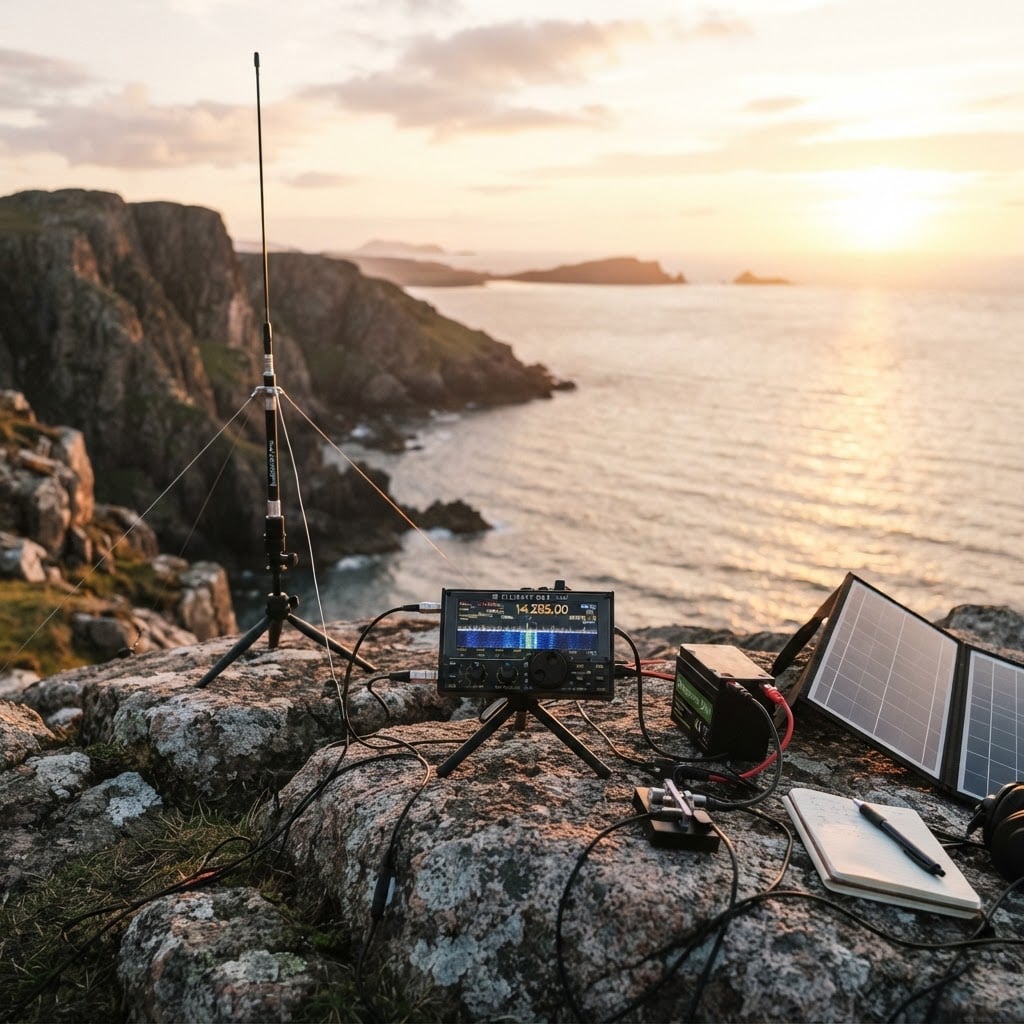
HF transceiver at coastal golden hour with solar panel
PACE Emergency Layer

Global text on a
wire in a tree
and a 10 W battery.

IC-705: SDR waterfall, auto-ATU, USB data. Winlink + JS8Call data modes. NVIS for regional reach, skywave for DX. Receiving is always free — TX needs an NZ General Amateur cert. HF gives you reach; the mesh/IP tiers give you privacy. Neither gives you invisibility — plan emissions accordingly.

IC-705 Product Page ↗ NZART Amateur Exam ↗

Learn to Build

Recommended video resources

Community tutorials for the core subsystems. Click through to YouTube. A full Consilium Belli build series is in production — watch order: S2 → ATAK install → Meshtastic → TREX → maps then TREX → Beartooth vs goTenna comparison.

YouTube · S2 Underground
How to Install ATAK + Getting Started (Civilian edition)
Watch on YouTube ↗
YouTube · Meshtastic
Meshtastic + ATAK Integration — T-Beam Setup, Plugin, First Mesh
Watch on YouTube ↗
YouTube · TREX Arms
Meshtastic vs Beartooth vs goTenna — Honest Comparison for Field Use
Watch on YouTube ↗
YouTube · KrakenRF
KrakenSDR Direction Finding — Setup, Calibration & ATAK Integration
Watch on YouTube ↗
YouTube · Winlink Development Team
Winlink over HF — Pat Client, VARA Modem & Your First Email via Radio
Watch on YouTube ↗
YouTube · Victron Energy
Off-Grid Power Design — LiFePO4, MPPT, and DC Bus Wiring for Field Systems
Watch on YouTube ↗
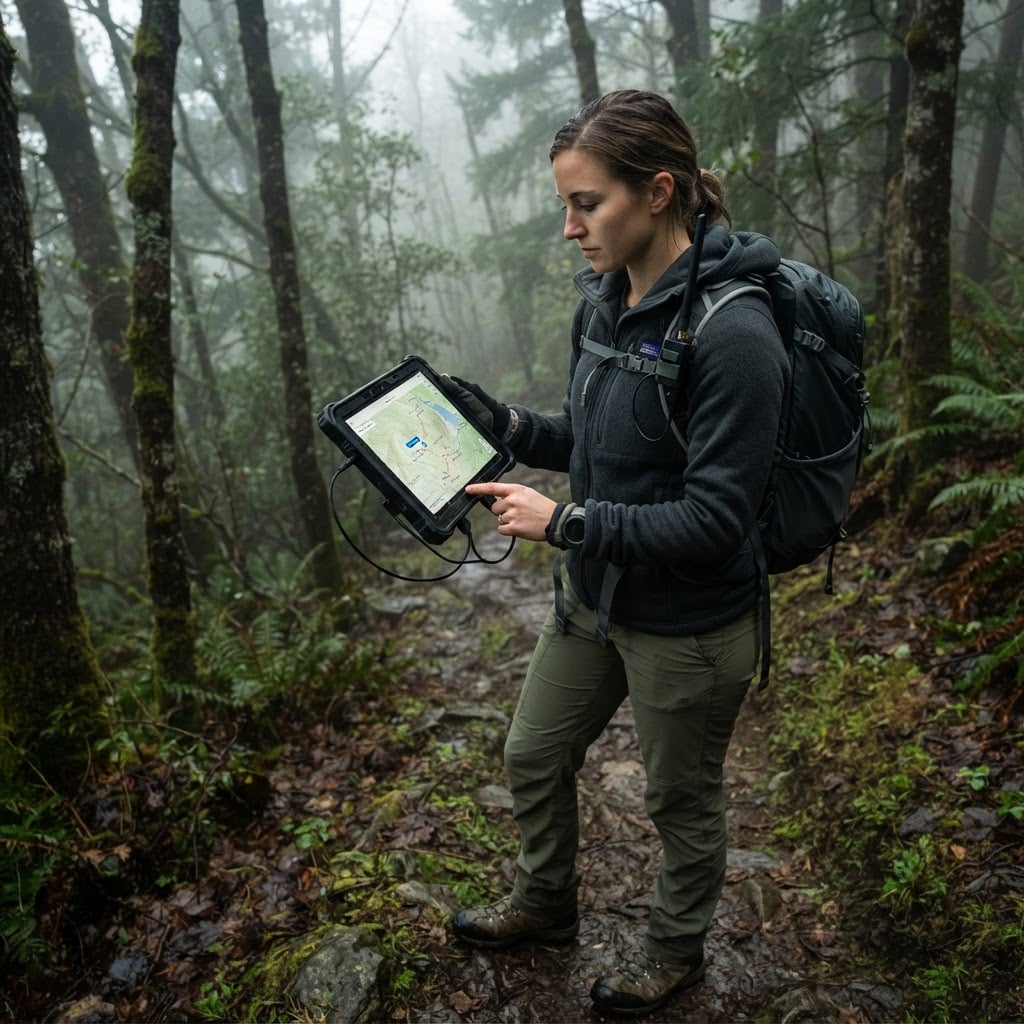
Field operator with rugged tablet in misty forest
Comms Doctrine

Listen first.
Key up only
when you must.

ATAK on a rugged Android. Offline topo. Mesh-linked position. Default posture is receive-only — you transmit short bursts when needed, and the AI operator warns on excessive TX. Reach ≠ privacy ≠ invisibility.


Technical Specifications

Full spec sheet

ModuleSpecification
HF TransceiverIcom IC-705 — 1.8–54 MHz / 6m / 2m / 70cm. 10 W PEP. SDR waterfall. Auto-ATU. GPS/BT/WLAN. USB CAT+audio (no extra modem box). All modes: SSB, CW, AM, FM, digital. WSPR / FT8 / JS8Call / Winlink native.
Satellite (Primary)Starlink Mini LEO. ~15 W idle, 25–30 W typical. 12–48 V DC or USB-C PD. Auto-detected by PACE manager; hot-failover to cellular. Roam plan for mobile deployment.
Cellular FailoverTeltonika RUTX50 (5G) or RUT241 (4G). Dual-SIM, rugged, VPN-capable, auto-failover. WireGuard built-in. Manages Primary→Alternate PACE transition.
IP Mesh (Contingency)Raspberry Pi 4/CM4 + Morse Micro HaLow (802.11ah 915 MHz). OpenWrt + BATMAN-adv L2 mesh. PTT, ATAK multicast, low-res video, internet-share. Range 5–30 km LOS. Haven 1 build only (Pi4/CM4). NZ: cap TX to GURL limits.
LoRa Mesh (Beacon floor)Meshtastic AU915, NZ GURL licence-free. 256-bit AES. Store-and-forward position + text. Heltec V3 / T-Beam Supreme / RAK WisBlock. Range 5–20 km LOS. Receive-first posture.
RDF SensorKrakenSDR — 5-channel coherent SDR. Real-time DoA → bearing → ATAK line-of-bearing via DF→CoT bridge. Two units triangulate a fix. Passive/receive — no licence required.
AI Compute (Scout)Intel N100 mini-PC, 16 GB RAM, 512 GB NVMe. Ollama 3B ~5–15 tok/s. ~6–15 W idle. Man-portable.
AI Compute (Operator+)32–64 GB Ryzen mini-PC or NVIDIA Jetson Orin NX. Ollama 8B Q4 needs 32 GB dual-channel. Jetson: Llama 8B ~41 tok/s, purpose-built NPU. ~25–40 W. Handles concurrent mesh + AI + TAK workloads.
Software StackLinux base. Ollama + local LLM (3B–8B+). FreeTAKServer. Node-RED PACE state machine. Aquilla intel engine + AI operator. Open WebUI. whisper.cpp offline STT. nomic-embed + sqlite-vec RAG for offline docs. REST API. WireGuard VPN. SSH/serial console.
Power — Battery24 V LiFePO4, 2–3 kWh. INA226 per-channel monitoring. Battery heater auto-trigger below –10 °C. DIY LFP + Victron MPPT beats a power station on $/kWh.
Power — Solar570–1000 W panels via Victron SmartSolar MPPT. ~55–80 W typical system load → indefinite runtime in daylight. MPPT only (PWM wastes 15–25%). Direct 24 V DC, no inverter.
Field EUDRugged Android tablet or phone. ATAK-CIV (civilian). ATAK-Maps + offline tile packs (installed pre-deployment). Meshtastic ATAK plug-in for mesh ↔ ATAK bidirectional PLI. Sunlight-readable, IP-rated, glove-usable.
EnclosurePelican 1550/1600 IP67. GX16/powerCON power, RJ45, SMA/N-type bulkheads, Starlink cable gland. Stainless latches, pressure valve. Panel-machined I/O. Membrane louvre vents for thermal.
Operating Temperature–30 °C to +60 °C (ambient). Battery heater triggers below –10 °C. Thermal management required at extremes — membrane vents or sealed with cold-plate, depending on IP requirement.
Security / HardeningNo default passwords. Host firewall. WireGuard site-to-site VPN. Meshtastic PSKs + ATAK data packages rotated per deployment. ATAK over encrypted channel. No cloud credential storage.

Licences & Compliance

Read before you transmit

Civilian by design. Emergency preparedness, disaster response, expeditions, NGOs, journalists, farms and forestry. Say it plainly and say it first.

📻
HF Radio (IC-705)
Transmitting on ham bands requires a New Zealand General Amateur Operator's Certificate + callsign (exam via NZART, callsign from RSM). Receiving is always free. The HF path is for reach, not secrecy — amateur HF must be plaintext. Sensitive data stays on the encrypted mesh/IP tiers.
📡
Haven IP Mesh
Wi-Fi HaLow on 915–928 MHz: the firmware default is 27 dBm (US ISM allowance) — NZ GURL power/duty limits differ. Cap TX power at the OpenWrt level before transmitting. Verify current RSM general user licence conditions prior to commercial sale. Build Haven 1 (Pi4/CM4) only — Pi5/Haven 2 not production-ready.
🔊
Meshtastic LoRa
AU915 operation is licence-free under NZ GURL at permitted power levels. Set channel region to AU915 in firmware before first power-on. Default receive-first posture is low-signature and regulatory-friendly. Verify GURL duty-cycle limits for any high-volume deployment.
🔍
RDF (KrakenSDR)
Passive receive — legal in NZ without a licence. Never decode or divulge the content of private communications (Radiocommunications Act 1989, s.133). Lawful use: bearing-finding for your own beacons, interference-hunting, search and rescue. Do not intercept or record private content.
📺
RoIP / Two-Way Radio Bridge
Adding a licensed two-way radio bridge (RoIP, DMR/analogue) requires an RSM land-mobile licence (~NZ$190 single site / $800 up-to-5-sites / $1,800 unlimited per year). Command-tier option only — make this crystal clear to buyers before they purchase the component.
⚖️
Framing & Liability
Market civilian — emergency preparedness, disaster response, remote work, expeditions, journalists, NGOs, farms and forestry. Avoid military/tactical-weapons positioning: it narrows the market, raises liability, and risks export-control questions for a solo NZ builder. Consilium Belli is a strong brand — sell sovereign situational awareness, not warfighting. Satis Omnibus (the FMA-licence-track trading platform) is a separate venture.
The one-line honesty: HF gives you reach, the mesh/IP tiers give you privacy, and neither gives you invisibility — plan emissions accordingly. The kit's AI does sensing and marking only — it does not key the radio unattended, and no weapons, targeting, or effector of any kind is supported or intended.

60-Second Promo Video

See it in action

Eight scenes. Sixty seconds. The complete Consilium Belli story — from PACE doctrine to AI Watchstander to CTA.

Share X / Twitter LinkedIn Facebook WhatsApp Download
0:00 – 0:03
S01 · Logo
CB mark assembles from signal noise. Identity locks.
0:03 – 0:21
S02 · Tagline
Council of War in a Case. Off-grid intelligence on your timeline.
0:21 – 1:48
S03 · PACE
Four fallback layers reveal — Starlink → Cellular → HaLow → HF.
1:48 – 3:24
S04 · System
Signal flow diagram — data paths, AI bridge, sensor inputs.
3:24 – 5:28
S05 · Tiers
Scout .6k · Operator · Command + pricing cards.
5:28 – 6:42
S06 · Watchstander
Aquilla AI console — live alerts, signal intelligence, SITREP.
6:42 – 7:20
S07 · Stats
200 km range · 72 hr runtime · 6 comms layers · 10 min setup.
7:20 – 8:43
S08 · CTA
Build yours. @aiagentblueprint24 — link in description.

Standing on the Shoulders of Giants

The Doctrine Behind the Kit

Consilium Belli does not claim to have invented any of these ideas. Every design decision traces back to field-tested doctrine, open-source tradecraft, and decades of hard-won military and intelligence expertise. These are the sources that shaped the architecture — read them, carry them, build on them.

Category 01
Command, Comms & PACE Doctrine
U.S. Army · Free PDF
FM 6-02
Signal Support to Operations
The authoritative doctrinal origin of PACE methodology. The four-tier comms stack in this kit mirrors it exactly.
U.S. Army · Free PDF
ADP 6-0
Mission Command
Decentralised command, initiative at every echelon. Why each node operates autonomously when the primary link drops.
ARRL · Paid
ARRL Emergency Communication Handbook
4th Edition
The definitive civilian EMCOMM reference. ICS integration, net control, Winlink, backup power. Maps directly onto the HF emergency tier.
~$30 Amazon →
FEMA / DHS · Free
NIMS ICS-100/200/700/800
Incident Command System
The ICS structure any operator interfacing with emergency management must know. Also the organisational model for net control handoff.
Free Online training.fema.gov →
U.S. Army · Free PDF
FM 6-99
Report & Message Formats
Standardised SALUTE, SITREP, SPOTREP formats. The message templates and Ollama prompts in this kit are built around these.
USMC · Free PDF
MCRP 3-40A.1
Radio Operator's Handbook
Practical field radio ops, antenna erection, PACE execution and COMSEC from a warfighter perspective. More actionable than signal officer doctrine.
Free PDF marines.mil →
Category 02
Situational Awareness & OODA Loop
John Boyd · Free
A Discourse on Winning and Losing
Boyd's Original Briefing Slides
The original OODA Loop briefings. The philosophical core behind every decision cycle in this kit — from sensor latency targets to the watchstander AI design.
Free PDF DTIC Archive →
Robert Coram · Paid
Boyd
The Fighter Pilot Who Changed the Art of War
The only full Boyd biography. Makes the OODA Loop accessible within its full strategic context. Required reading before you use the doctrine.
Patrick Van Horne & Jason Riley · Paid
Left of Bang
Marine Corps Combat Hunter Program
Threat recognition and anomaly detection. The human perceptual skills that complement ATAK and KrakenSDR by training operators to notice what sensors miss.
Gary Klein · Paid
Sources of Power
How People Make Decisions
Recognition-Primed Decision model. Informs how to design operator interfaces and Ollama prompt structures for fast, accurate field decisions.
Gavin de Becker · Paid
The Gift of Fear
Survival Signals That Protect Us
The human early-warning system — how to read environmental signals that precede violence. The layer beneath every sensor in the kit.
Laurence Gonzales · Paid
Deep Survival
Who Lives, Who Dies, and Why
Neurological analysis of survival: calm operators following SOPs survive when those improvising do not. Informs training philosophy for the whole system.
Category 03
Intelligence Analysis Tradecraft
Richards Heuer · CIA · Free PDF
Psychology of Intelligence Analysis
CIA Center for the Study of Intelligence
Cognitive bias identification (mirror imaging, confirmation bias, anchoring) — fundamental to both the Aquilla market layer and any COP analytical product.
Free PDF CIA.gov →
Heuer & Pherson · Paid
Structured Analytic Techniques
3rd Edition — Intelligence Analysis
ACH, Red Team analysis, Key Assumptions Check. The specific techniques this system's Ollama prompt chains and analytical workflows implement.
~$60 Amazon →
Michael Bazzell · Paid
Open Source Intelligence Techniques
10th Edition (updated annually)
The practitioner's OSINT bible — phone, geolocation, social, corporate, dark-web. Directly applicable to Aquilla's human intelligence collection layer.
Annie Duke · Paid
Thinking in Bets
Decisions Under Uncertainty
Probabilistic thinking and calibrated uncertainty. The discipline needed to assign confidence levels to intelligence assessments rather than treating them as binary.
Eliot Higgins · Paid
We Are Bellingcat
Global Crime, Online Sleuths
Open-source geolocation, aircraft tracking, weapons documentation. The techniques behind civilian battlefield OSINT that inform Consilium Belli's threat picture.
Bellingcat / EJC · Free
Verification Handbook
+ Bellingcat Online Guides
Practical geolocation, reverse image search, satellite imagery analysis. The specific tradecraft for building ground truth from open sources.
Free Online bellingcat.com →
Category 04
Risk, Markets & Black Swans
Nassim Taleb · Paid
The Black Swan
The Impact of the Highly Improbable
The philosophical justification for Aquilla monitoring tail risk indicators rather than consensus forecasts. Rare events dominate outcomes.
Nassim Taleb · Paid
Antifragile
Things That Gain from Disorder
Moves from identifying Black Swans to building systems that benefit from volatility. The design principle behind redundant PACE tiers and LiFePO4 architecture.
Daniel Kahneman · Paid
Thinking, Fast and Slow
System 1 & System 2 Cognition
Maps directly onto the Ollama watchstander design: which tasks automate (System 1 pattern recognition) versus flag for deliberate human analysis (System 2).
Ray Dalio · Free PDF
Principles for Navigating Big Debt Crises
Bridgewater Associates
Template analysis of 48 historical debt crises with leading indicators — directly usable as an Aquilla monitoring framework for sovereign and credit risk.
Nassim Taleb · Paid
Skin in the Game
Hidden Asymmetries in Daily Life
Epistemic accountability — only analysts with real stakes should be trusted. Informs how Aquilla weights signals from insiders versus commentators.
Amanda Ripley · Paid
The Unthinkable
Who Survives When Disaster Strikes
Behavioural research on disaster response — normalcy bias, the dip, training to override instinct. Essential for operator selection and community resilience planning.
Category 05
Field Operations & Navigation
U.S. Army · Free PDF
FM 3-25.26
Map Reading & Land Navigation
UTM grid, terrain association, compass bearings. Directly applicable to ATAK grid overlays and KrakenSDR bearing integration in the field.
U.S. Army Ranger School · Free
SH 21-76 — Ranger Handbook
Field Operations SOPs
Patrol orders (OPORD format), battle drills, field communications SOPs. The operating procedure template for Consilium Belli field deployments.
Swiss Army · Free PDF
Total Resistance
Major H. von Dach Bern
Decentralised small-unit comms, cache planning, network resilience from a nation that institutionalised civilian defence. Philosophically foundational to distributed mesh design.
Public Domain
Bjorn Kjellstrom · Paid
Be Expert with Map and Compass
Complete Orienteering Handbook
The civilian equivalent of FM 3-25.26. Essential for operating when ATAK GPS is degraded or jammed — the analogue fallback to the digital layer.
~$15 Amazon →
FEMA / DHS · Free
CERT Basic Training
Community Emergency Response Team
The standard training framework for community resilience volunteers. The human organisational layer that Consilium Belli's comms infrastructure serves.
U.S. Army · Free PDF
FM 3-05.70
Survival (SERE)
The authoritative military survival manual — shelter, water, fire, signalling, and the psychological aspects of isolated survival relevant to extended field deployments.
Open Source Credits
The Software That Makes It Work

Consilium Belli is not proprietary technology — it is an integration layer assembled from extraordinary open-source work. These projects and their maintainers deserve direct acknowledgement.

Meshtastic
LoRa mesh · Contingency tier
Apache 2.0 — Meshtastic Project
meshtastic.org →
FreeTAKServer
TAK infrastructure · Self-hosted
Apache 2.0 — FreeTAKTeam
freetakteam.github.io →
ATAK-CIV
Common operating picture
AFRL / TAK Product Center
tak.gov →
Winlink
HF email · Emergency tier
Non-profit — ARSFI
winlink.org →
Ollama
Local LLM · AI watchstander
MIT — Ollama
ollama.com →
KrakenSDR
Passive RF direction finding
Apache 2.0 — KrakenRF Inc.
krakenrf.com →
JS8Call
Weak-signal HF messaging
Jordan Sherer KN4CRD
js8call.com →
GNU Radio
SDR signal processing
GPL-3.0 — GNU Radio Project
gnuradio.org →
WSJT-X
FT8/FT4 weak-signal HF
GPL-3.0 — K1JT (Nobel Laureate) et al.
wsjt.sourceforge.io →
Direwolf TNC
APRS / AX.25 packet
GPL-2.0 — WB2OSZ
GitHub →
OpenStreetMap
Offline basemap data
ODbL — OpenStreetMap Foundation
openstreetmap.org →
Signal Protocol
E2E encrypted messaging
AGPL-3.0 — Signal Foundation
signal.org →
The ideas behind this system belong to the people listed above. Consilium Belli is an integration layer — not an invention.
We are grateful to every author, soldier, analyst, and developer whose work made this possible.
Software Subscription

Sovereign awareness
as a service

The Consilium Belli software — Aquilla intelligence, The Wire, the AI operator, and the command console — runs on the web today and on your own off-grid box when you're off-grid. Pick the layer you need; hardware kits are sold separately. Early access · founding-member pricing · register interest below.

Tier 0
Console
For anyone — see the picture before you commit.
Free
No card · always free
  • The command console
  • The Wire — current intel brief (read-only)
  • Aquilla market-mood, read-only
  • Full field catalogue + BOM
  • Not included
  • Aquilla alerts & risk gate
  • AI operator (PACE guidance)
  • Saved profiles or history
Open Console →
Tier 2
Command
Teams and orgs running a TOC.
$99 /mo
NZD indicative · early-access pricing
  • Everything in Intel, plus:
  • Multi-node / team sync
  • ISR fusion — drone / ADS-B / vision → ATAK
  • Kit config profiles for your box
  • Field manual + PACE training
  • Priority support
  • Hardware
  • Full integration with assembled kits
Register Interest →
Early access. Pricing is indicative and founding-member — we're taking expressions of interest now, not payment. "Register interest" adds you to the waitlist; you'll be invited when billing opens.  ·  One codebase, two homes: the subscription runs on the web so you can use it immediately, and the same code runs on the mini-PC inside a Consilium Belli box when you're off-grid — your picture and your PACE plan come with you when the internet doesn't.  ·  The Wire and Aquilla are situational-awareness only — not a trade signal, and not financial or investment advice.  ·  Consilium Belli is a separate venture from the FMA-licence-track Satis Omnibus trading platform.